Aluminum wheels are a popular choice among car enthusiasts and manufacturers alike due to their lightweight, corrosion resistance, and attractive appearance. However, over time, they can accumulate scratches, dull spots, and corrosion, losing their original shine. With the right techniques and tools, you can restore them to a brilliant, mirror-like finish. This guide will walk you through the essential steps to sand and polish aluminum wheels, ensuring your wheels shine like new.
Why Sanding and Polishing Matters
Regular wear and tear, along with exposure to dirt, road salt, and brake dust, can cause oxidation and pitting on aluminum wheels. Sanding removes these imperfections, while polishing enhances the surface’s shine. Properly maintaining and polishing aluminum wheels not only restores their aesthetics but also helps extend their lifespan.
Tools and Materials Needed
To get started, gather the following tools and materials:
- Sand paper (Grits: P240, P400, P800, P1000, P1500)
- Sanding sponge block or Sanding sponge pad
- Polishing compound (aluminum or metal-specific)
- Polishing pads (soft, non-abrasive)
- Power drill or buffer (optional for polishing)
- Clean microfiber cloths
- Water (for wet sanding)
- Masking tape (optional for protecting nearby areas)
- Protective gloves and safety goggles
Step 1: Preparation
Before beginning the sanding process, make sure to clean the wheels thoroughly. Use warm soapy water to remove dirt, grease, and brake dust. Dry the wheels completely. If the tires are still on the rims, consider applying masking tape around the edges to prevent accidental damage to the rubber.
Step 2: Start with Coarse Sanding (P240-P400)
For wheels with visible scratches, corrosion, or rough spots, start sanding with a coarse grit like P240 or P400. This step helps eliminate deep imperfections. Wet the sand paper or use water while sanding to minimize friction and prevent clogging the paper with dust. Sand evenly across the surface in small, circular motions, ensuring you don't concentrate too much on one spot. For wheels with only light oxidation or surface imperfections, you can begin with a finer grit, such as P400.
Step 3: Fine Sanding (P800-P1500)
Once the major imperfections are removed, move on to finer grits like P800 and P1000 to smooth out the surface further. Continue wet sanding, using circular motions to ensure an even finish. The goal is to eliminate the sanding marks left by the coarser grits. Finish the sanding process with ultra-fine sand paper, such as P1500, for a smooth, polished base. At this stage, the wheel should look matte but smooth to the touch.
Step 4: Polishing the Wheels
With the sanding complete, it’s time to polish the wheels to achieve that gleaming finish. Apply a small amount of aluminum-specific polishing compound to a polishing pad or soft cloth. Using a power drill with a polishing attachment or buffing wheel can make this process faster and more efficient, but it’s not essential if you prefer to polish by hand.
Work the polishing compound into the aluminum surface using consistent, circular motions. Continue polishing until you see the surface starting to shine. If necessary, repeat the process with additional compound to achieve the desired level of brightness.
Step 5: Buffing and Final Touches
Once the wheels are polished to your satisfaction, use a clean microfiber cloth to buff the surface, removing any excess compound. This step will enhance the shine and give your aluminum wheels a mirror-like appearance.
For added protection and a longer-lasting finish, consider applying a layer of wax or sealant specifically designed for aluminum. This will help protect against oxidation and make future cleaning easier.
Maintenance Tips for Aluminum Wheels
After sanding and polishing, maintaining the wheels is essential to preserve their appearance. Regularly clean the wheels with mild soap and water to prevent dirt buildup. Avoid using harsh chemicals or abrasive cleaners, as they can damage the polished surface. Additionally, consider reapplying polish or wax every few months to keep the wheels looking their best.
Conclusion
Sanding and polishing aluminum wheels is a labor-intensive but rewarding process that can bring back their original luster. With the right tools, materials, and patience, you can transform dull, scratched wheels into gleaming, mirror-finish showpieces. Following these steps will not only improve your vehicle’s aesthetic appeal but also extend the life of your aluminum wheels.
By investing time in proper wheel care, car enthusiasts can enjoy a professional-level finish, enhancing the overall look of their vehicle while preserving the quality of their aluminum wheels for years to come.
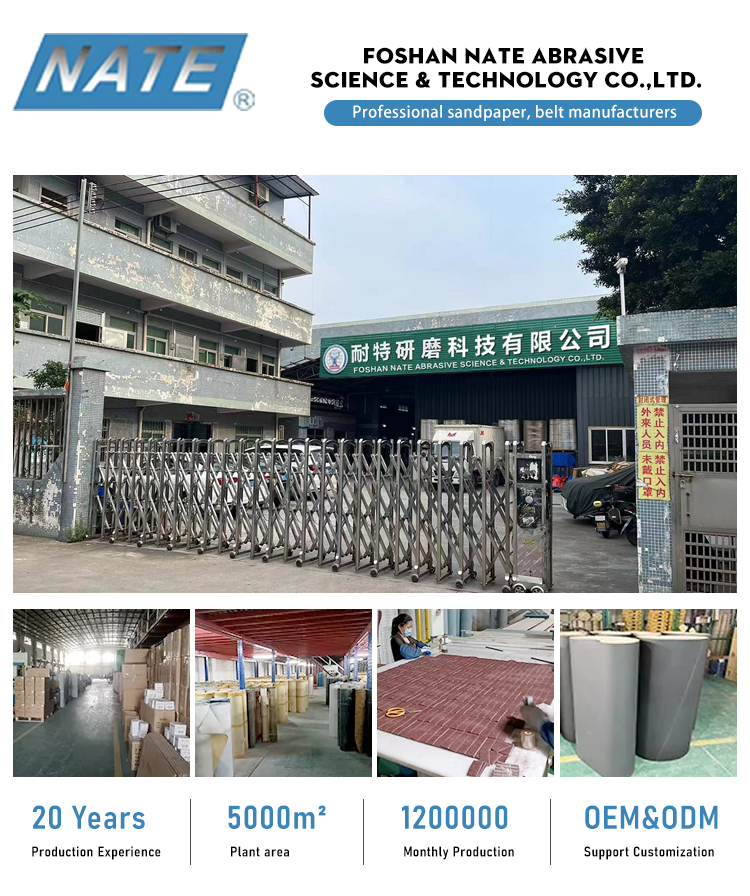
Buy Abrasives and Polishes from Foshan Nate Abrasive Science & Technology Co.,Ltd.
Foshan Nate Abrasive Science & Technology Co.,Ltd has everything you need to sand and polish your aluminum wheels. Whether you are looking for sand paper in different grits or other abrasive products like affordable abrasive belts and sanding discs to help your customers' wheels look their best, we have the right product for you. We want your business to be successful, and our product range makes it possible.
Shop our automobile industry abrasives online, and if you have any questions, don't hesitate to contact us.