

In the world of finishing and surface preparation, sanding tools play a crucial role. Two popular choices—sanding sponges and traditional sandpaper—are essential for achieving smooth, professional results. But which one should you use for your next project? Here, we explore the differences, benefits, and best applications for each to help you make an informed choice.
What Are Sanding Sponges and Sand paper?
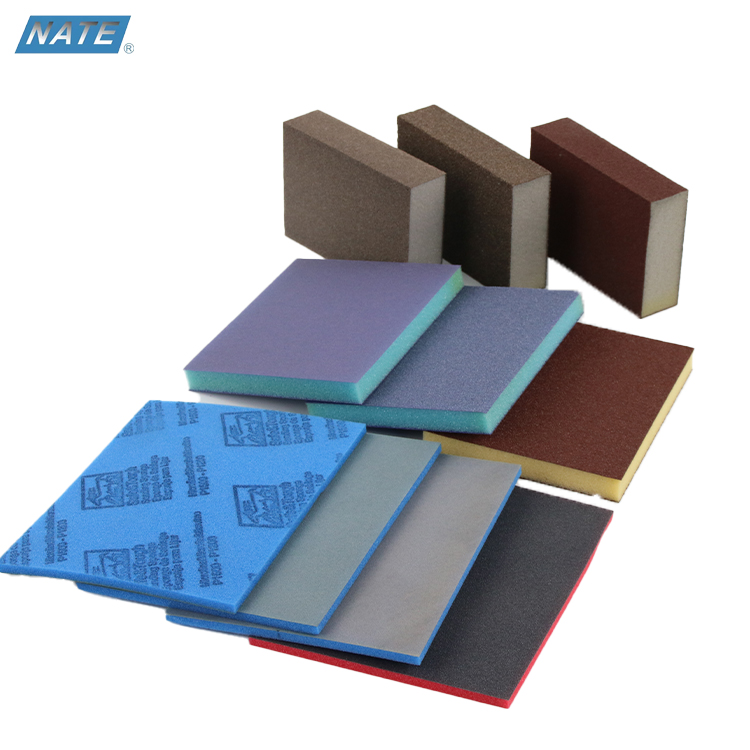
Sanding sponges are flexible foam blocks with abrasive coatings, available in various grits and densities. These sponges adapt well to contours, curves, and tight corners, providing a consistent sanding finish. Their ergonomic design makes them easy to hold and ideal for hand sanding, particularly on irregular surfaces.
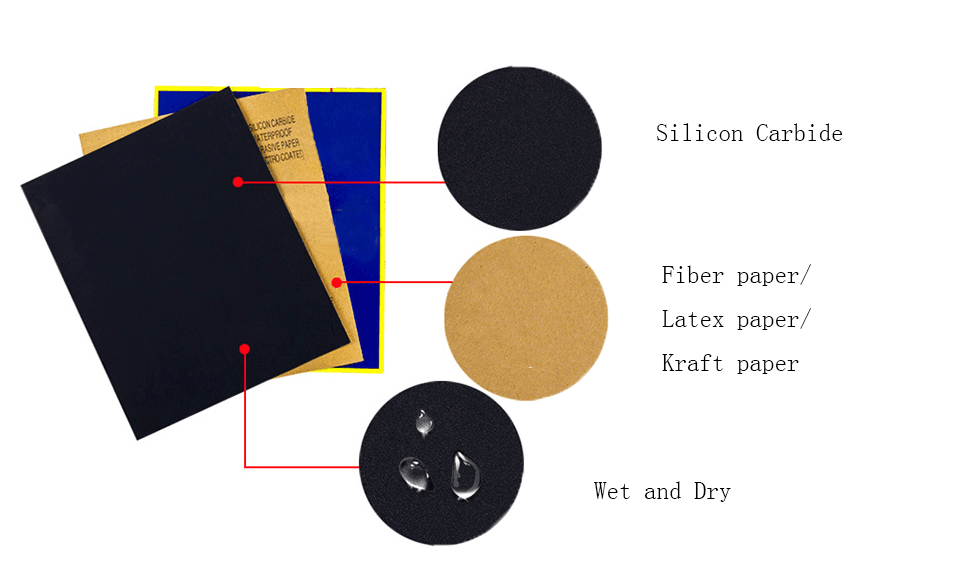
Sand paper, on the other hand, consists of abrasive particles bonded to a paper or cloth backing. Available in sheets, rolls, and discs, sand paper comes in a wide range of grit sizes to accommodate different levels of abrasiveness. It is commonly used for large, flat surfaces and can be paired with a sanding block or machine for more control and efficiency.
Comparing Sanding Sponges and Sand paper
1. Flexibility and Ease of Use
Sanding sponges have a significant advantage in flexibility. Their foam backing allows them to conform to unique shapes and angles, making them ideal for intricate areas like moldings, curves, and rounded edges. Sandpaper, although highly versatile, requires the user to adjust manually or wrap it around a block for more controlled sanding.
Winner: Sanding Sponge
2. Durability and Reusability
One key benefit of sanding sponges is their durability. Due to the sponge structure, they can be rinsed and reused multiple times, which helps in extending their lifespan and maintaining performance. Sandpaper, while often cheaper, tends to wear out faster, especially during intensive sanding. Once sandpaper becomes clogged or the abrasive wears down, it generally needs replacement.
Winner: Sanding Sponge
3. Precision and Control
For flat, large surfaces, sandpaper offers better precision and control, particularly when used with a sanding block or power sander. This makes it ideal for tasks like leveling wood surfaces or removing thick layers of paint. Sanding sponges are best for more delicate sanding applications, where too much pressure or an uneven surface could compromise the finish.
Winner: Sandpaper
4. Versatility Across Projects
Both sanding sponges and sandpaper can handle a range of materials, but the choice largely depends on the surface type and shape. Sandpaper is more suitable for heavy-duty work, including initial surface preparation on wood or metal. Sanding sponges excel in final finishing, especially on contoured surfaces and in tight spaces.
Winner: Tie (depends on the specific application)
5. Cost-Effectiveness
Sandpaper is often more economical upfront, as it is sold in packs or rolls and is usually less expensive than sanding sponges. However, sanding sponges may prove more cost-effective in the long run for certain projects, as they can be washed and reused.
Winner: Depends on project requirements
Choosing the Right Tool for Your Project
Each tool has strengths suited to specific tasks. For woodworking, sanding sponges work best on curved edges or finishing touches, while sandpaper remains a go-to for removing large amounts of material. When working on automotive or drywall projects, sanding sponges provide smooth results in crevices and can be gentler on surfaces.
Best Uses for Sanding Sponges
- Contoured surfaces (e.g., furniture, moldings)
- Final finish on drywall
- Light, detail sanding in hard-to-reach areas
- Reusable sanding for DIY projects
Best Uses for Sand paper
- Large, flat surfaces needing even sanding
- Removal of thick paint, rust, or layers of material
- Precise, controlled sanding with power tools
- Heavy-duty industrial applications
Final Thoughts
Both sanding sponges and sand paper offer unique benefits and can be essential tools in any DIYer's or professional’s toolbox. The key is understanding your project’s requirements—opt for sandpaper for precision and durability on flat surfaces, and choose sanding sponges for flexibility and ease on contoured or delicate areas. With the right sanding tool, you’re well on your way to achieving a flawless finish on any project.
Keyword:Sanding Sponge Block、Sanding Sponge Pad、Sand Paper Roll、Sand Paper Sheet、Sand Paper Disc.