

Sanding discs are essential tools used in a variety of industries to smooth surfaces, polish materials, and remove imperfections. Used in a wide range of industries such as manufacturing, automotive, furniture, and construction, sanding discs come in a variety of types, each tailored for a specific application.
What are sanding discs?
A sanding disc is an abrasive accessory that attaches to a power sander or handheld sanding tool for surface finishing and material removal. Sanding discs are versatile and essential for creating smooth surfaces, preparing surfaces for painting, or removing rust, paint, or other surface contaminants.
Types of Sanding Discs
Sanding disc come in a variety of types, each suitable for different materials and finishes:
Aluminum Oxide Sanding Disc: These discs are known for their durability and versatility and are commonly used on wood, metal, and plastic. They are cost-effective and provide a consistent finish.
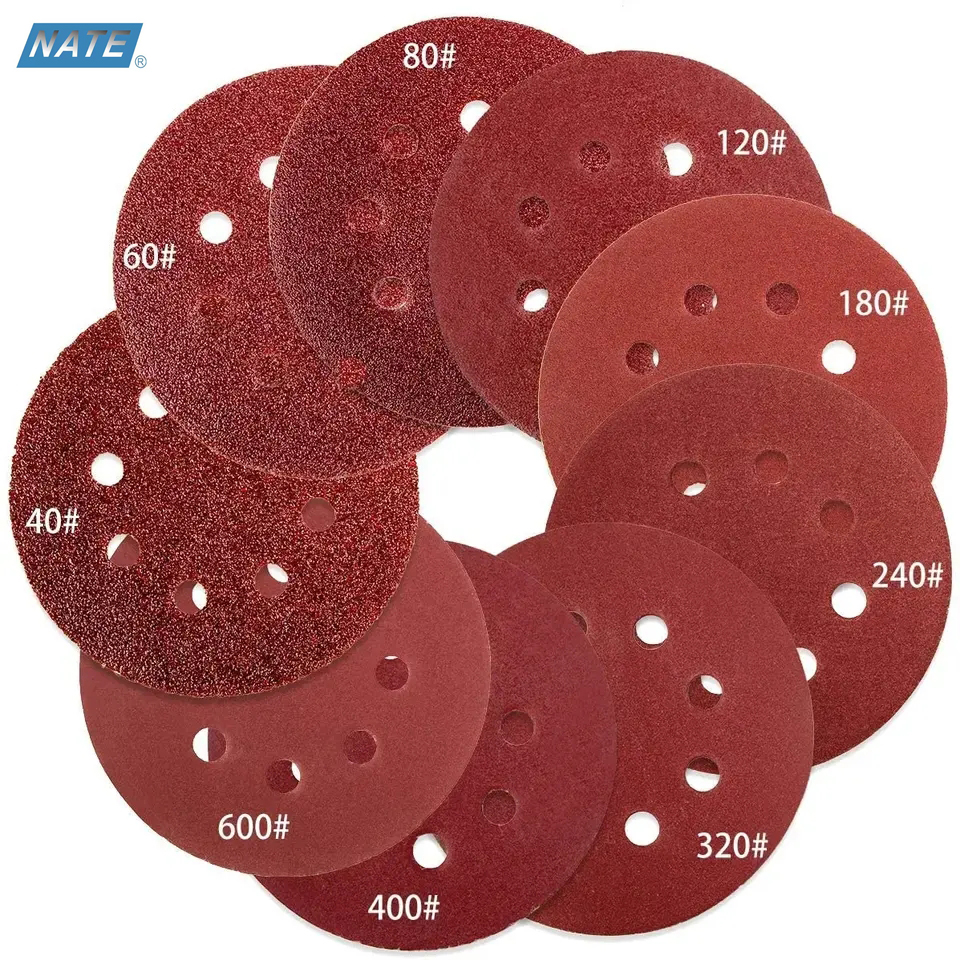
Ceramic Sanding Disc: Designed for heavy-duty work, ceramic sanding disc are extremely hard and heat-resistant, making them ideal for metalworking and challenging surfaces.
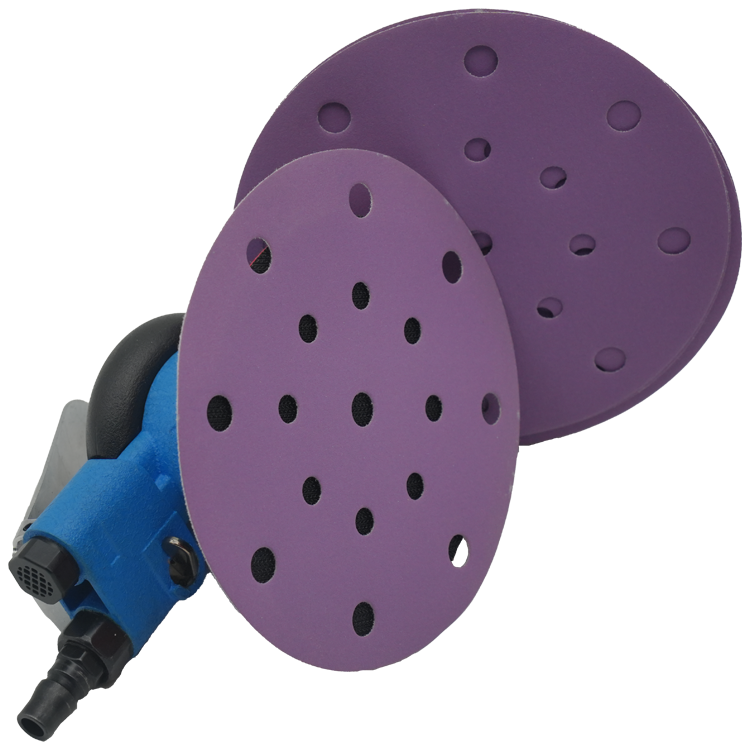
Diamond Sanding Disc: Diamond sanding discs have an ultra-abrasive surface, making them ideal for polishing hard materials like stone and glass to achieve a smooth finish.

Silicon Carbide Sanding Disc: Silicon carbide sanding discs are known for being sharp and hard, making them ideal for softer materials like plastics, rubber, and non-ferrous metals.

Disc Comparison
When choosing a disc, it is important to consider the material, durability, and performance required:
Durability: Ceramic discs tend to last longer, especially under high pressure, while aluminum oxide is ideal for lighter applications.
Cost-effectiveness: Aluminum oxide discs are generally more affordable and great for everyday tasks, while ceramic and diamond discs, while more expensive, excel for heavy-duty and specialized work.
Surface Compatibility: While aluminum oxide is widely used, zirconium oxide and ceramic discs are better suited for hard metals, and diamond discs are better suited for hard materials like glass and stone.
Things to Consider When Polishing with Sandpaper Disc
Polishing with sandpaper discs requires careful attention to various factors to ensure safety and achieve the desired finish:
Grit: Grit directly affects the finish; lower grits (coarser) are best for removing material, while higher grits (finer) are better for finishing.
Speed and Pressure: Applying the proper pressure and speed is critical to avoid overheating or damaging the material. Excessive pressure can prematurely damage the sanding disc, causing scratches.
Tool Compatibility: Make sure the sanding disc size and type matches your sander to avoid instability or safety hazards during use.
Environment: Dust and debris from sanding can pose a health risk, so it is recommended to work in a well-ventilated area and use protective equipment.
Conclusion
Sanding discs are an indispensable tool for many industries, providing efficient and customizable solutions for surface preparation. Understanding the types and choosing the right one for your application can significantly affect the quality of your work. With proper operation and the right sanding disc selection, sanding tasks become more precise, safer, and more efficient.