

When tackling any sanding project, whether you’re refinishing furniture, prepping walls for painting, or sanding metal edges, a common question comes up: should you use traditional sandpaper or a sanding sponge? Both tools have their place in the world of sanding, but understanding their unique characteristics can help you make an informed choice for your next project.
Sand paper: The Traditional Workhorse
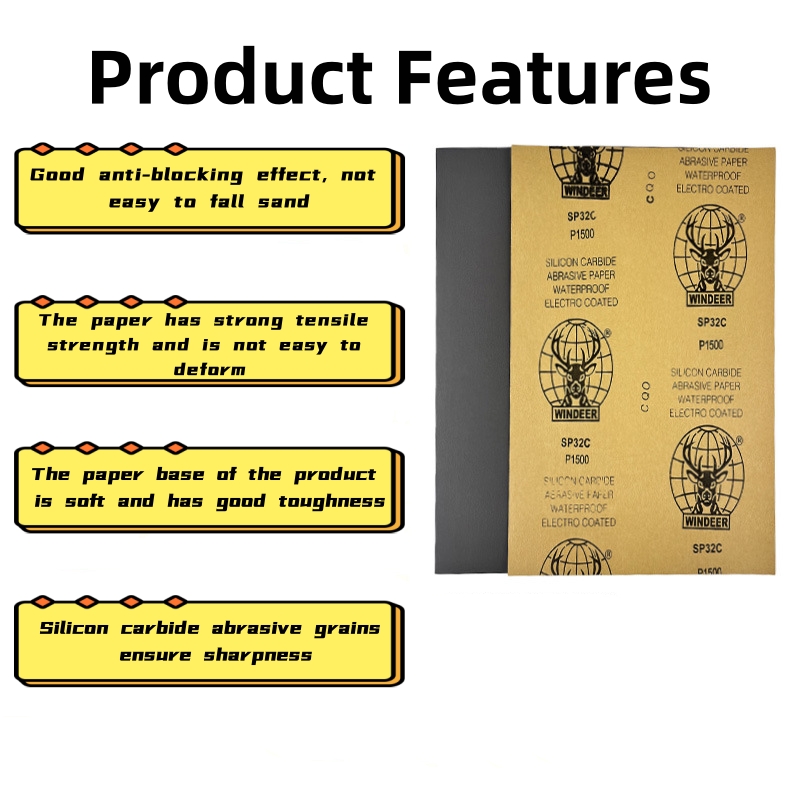
Sandpaper has been a staple sanding tool for centuries, providing an easy and effective way to sand surfaces. It’s available in a variety of grit grades, from coarse to extra-fine, making it suitable for different materials and finishes.
Pros
Various grits and backings: Sandpaper offers more grit and material options, such as aluminum oxide, silicon carbide, or ceramic, allowing for precise control over the degree of sanding.
Flexible shapes and sizes: Sandpaper can be cut to fit custom shapes or tools, such as sand paper sheet or sand paper roll, making it ideal for intricate jobs.
Cost-effective: Often more affordable than sanding sponges, especially for larger projects.
Cons
Limited durability: Sandpaper tears easily and may wear out faster on uneven or rough surfaces.
Less adaptable: It has a hard time conforming to curves or contours, making it difficult to use for irregular shapes.
Sanding sponges: The flexible innovator
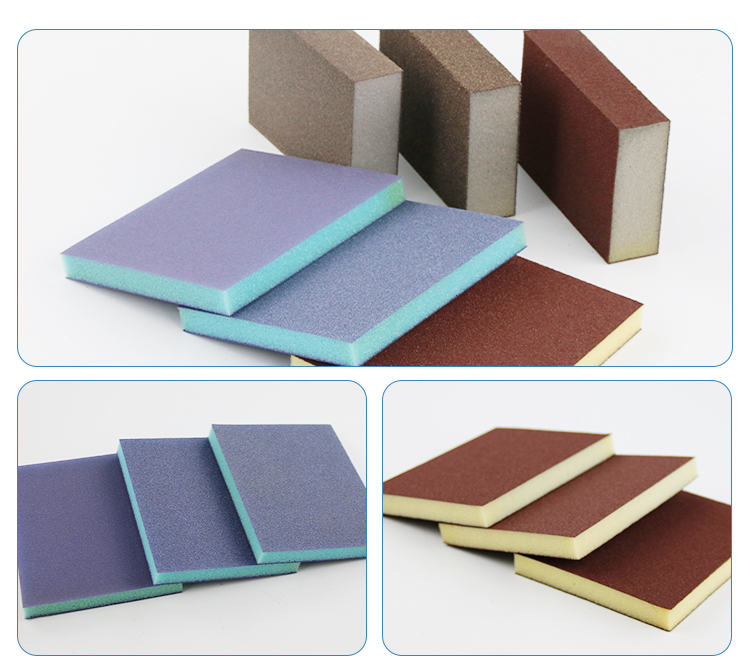
Sanding sponge, typically made of an abrasive coating on a foam core, are a newer alternative that offer versatility. They are particularly useful for projects involving curved or uneven surfaces.
Pros
Conforms to shape: The sponge's flexibility allows it to conform to curves, edges, and corners, ensuring an even sanding.
Reusable and durable: Many sanding sponges can be rinsed and reused, extending their lifespan.
Comfortable to hold: The sponge core provides a more ergonomic grip, reducing hand fatigue over extended use.
Cons
Higher cost: Sanding sponges are typically more expensive than traditional sandpaper.
Limited grit range: While there are also a variety of grits to choose from, the range is not as wide as with sandpaper.
Making the right choice
The decision often depends on the specifics of the project. For flat surfaces and precise, detailed work, sandpaper may be a better choice. However, for rounded surfaces or projects that require a softer touch, sanding sponges can offer advantages.
Keyword: Sand Paper, Sand Paper Sheet, Sand Paper Roll, Sanding Sponge Block, Sanding Sponge Pad.